Home / The heart room / How to Cope with Skin Change During Therapies
How to Cope with Skin Change During Therapies
Cancer therapies, such as chemotherapy and radiation therapy, can have significant effects on the skin. During this time, it is critical to adopt effective strategies to keep the skin healthy and reduce discomfort.
1. Understanding Skin Changes
The most common changes include:
- Dryness: Skin can become very dry due to treatments.
- Irritation and redness: Skin reactions may occur as dermatitis or rash.
- Desquamation: Desquamation of the skin may occur, especially in treated areas.
2. Skin Care Routines
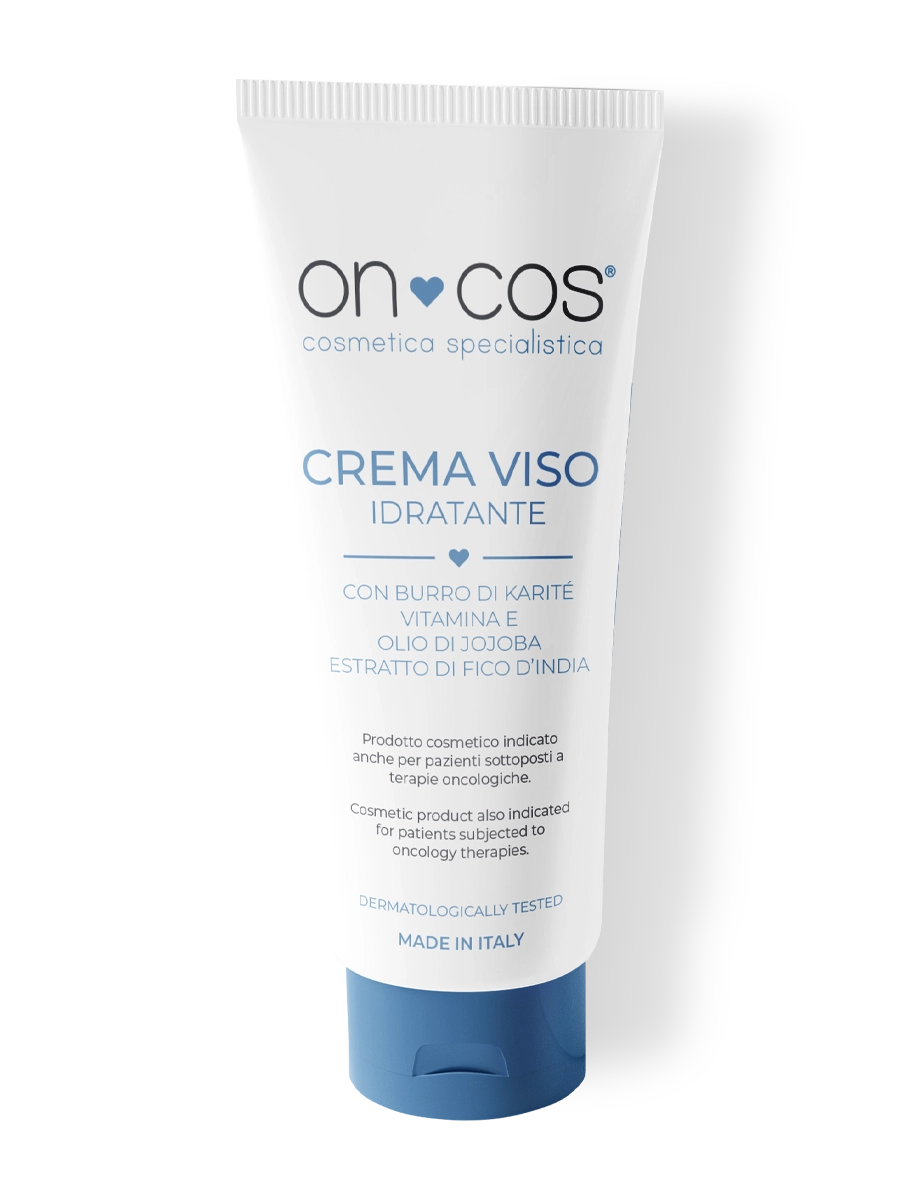
- Hydration: Using moisturizers specifically for sensitive skin can help maintain skin elasticity. Products with ingredients such as shea butter and aloe vera are especially effective.
- Gentle Cleansing: Choose gentle, fragrance-free cleansers to avoid further irritation.
- Sun Protection: Skin is most vulnerable to sun damage during treatments. Applying broad-spectrum sunscreen is essential.
3. Nutrition and Hydration
A balanced diet and adequate fluid intake can contribute to skin health. Antioxidant-rich foods, such as fruits and vegetables, promote cell regeneration.
4. Consult a Professional
It is advisable to work with a dermatologist or oncologist to develop a personalized treatment plan. They can recommend specific products and strategies to address symptoms.
5. Emotional Support
Coping with skin changes can affect self-esteem and emotional well-being. Talking about it with a professional or participating in support groups can be very helpful.
Conclusion
Coping with skin changes during cancer therapies requires attention and care. Adopting a proper skin care routine, maintaining good nutrition, and seeking support can make a big difference in overall well-being.