Radiotherapy side effects for those close by

Radioterapia effetti collaterali per chi sta vicino - Oncos

Radiation therapy is a treatment approach that involves delivering very strong radiation to delimit tumors and kill, or slow down, cancer cells. Radiation used for cancer therapy are x-rays and gamma rays. Radiation therapy also has side effects for those close by

But how are they administered? Either through a machine that covers the patient’s body, which is called external radiotherapy, or through a radioactive substance that is administered into the patient’s body, and this is internal radiotherapy.


Radiotherapy: treatments

Radiation therapy treatment is chosen according to the patient’s needs, thus depending on the type of tumor, its size, location in the body, and the patient’s own condition. That is why there is no one radiotherapy that is better than another. An attempt is always made to apply the best available technique for each individual case.

Usually amedical team is formed to implement the entire radiation therapy treatment plan: the radiation oncology physician, medical physicist, radiation therapy technician, and professional nurse.

The side effects of radiation therapy for those close by, however, can be very intrusive since they are still radioactive substances circulating in the patient’s body that go on to kill cancer cells.


Radiotherapy: the side effects for the patient

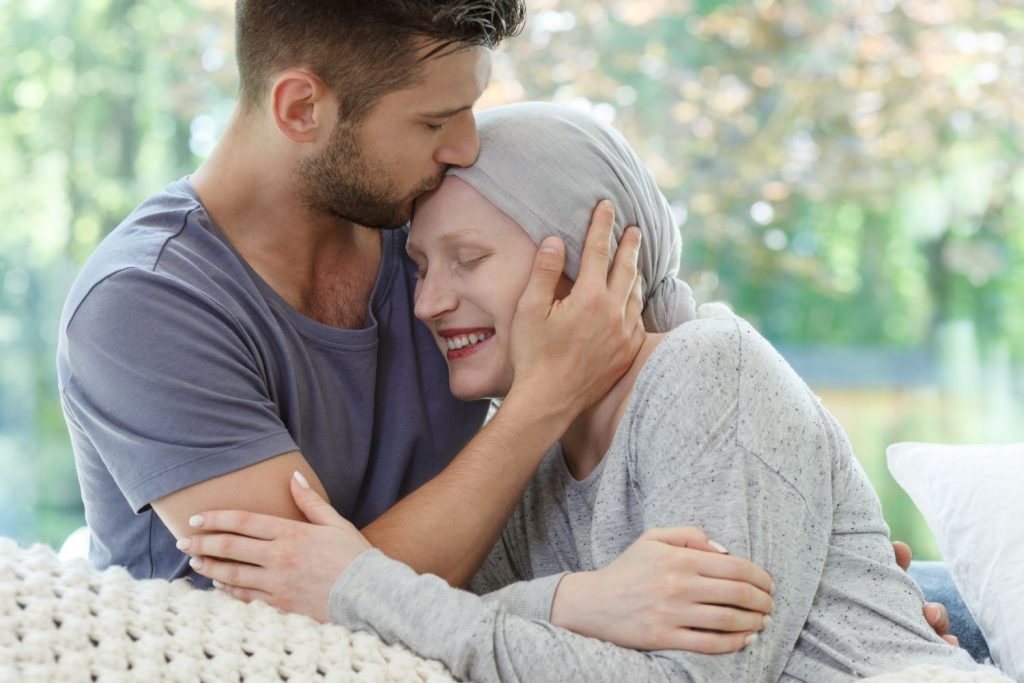
Radiation therapy is a difficult path to go through, especially because you find yourself at a stage where you don’t know what will happen so you are very scared, it becomes stressful to go through it. During radiation therapy, one may feel: anxious, depressed, afraid, angry, frustrated, helpless, and even lonely. These are the most common side effects.


Radiotherapy side effects for those close to you

In the event that the patient acquires some radioactivity, physicians will be responsible for instructing family members and caregivers on how to avoid all forms of exposure.

Why does this happen? Because of some body fluids that, in case of reactivity could become radioactive. The first basic things to be done are:

  • Maintaining social distancing;
  • Avoid associating with children, pregnant women and frail people;
  • Avoid physical contact, at least for a week;
  • Wash clothing and everything the patient wears separately from the rest of the things;
  • Wash hands frequently and sanitize them immediately afterwards;
  • Avoid leakage of urine droplets when going to the toilet, so it is always better to sit down. If possible, it is preferable to use two bathrooms;
  • when you go to the bathroom, it is advisable to flush twice and wash your hands thoroughly.

Radiotherapy: short-term side effects

Effetti collaterali

The short-term effects of radiation therapy occur because of the radiation affecting healthy cells that are in the vicinity of tumor masses. Depending on the area treated, side effects may vary, however, in general among the short-term effects of radiotherapy the most common are:

  • Fatigue;
  • Muscle and joint pain;
  • Hair loss;
  • Nausea, vomiting, and skin problems.

Fatigue

One of the short-term effects of radiation therapy is fatigue. Fatigue is among the most common complaints; in fact, there are many patients undergoing radiation therapy who complain of being tired, exhausted, and feeling somewhat worn out. It is a constant sensation that either appears suddenly or gradually as radio sessions increase. It is not a predictable effect, age does not affect it, and neither does the area treated.

Muscle and joint pain

Other short-term effects of radiotherapy are muscle and joint pain, occurring frequently and depending on the severity, may manifest as a feeling of fatigue to the point of almost being unable to perform simple daily activities, affecting a patient’s quality of life.

Hair loss

Short-term effects of radiotherapy include hair loss. Hair loss can occur partially or completely following radiotherapy. This phenomenon is called alopecia. The reason why leakage occurs is closely related to the frequency and intensity of treatment, as well as the location. Usually starting to fall off two or three weeks after the first radiation therapy session, and within a week or so all are lost. Depending on the case then, they grow back within three to six months after the end of therapy. It is advisable to use from the beginning and up to 30 days after the end of oncology therapies the gentle shower shampoo from the Oncos line.

Nausea, vomiting and skin problems

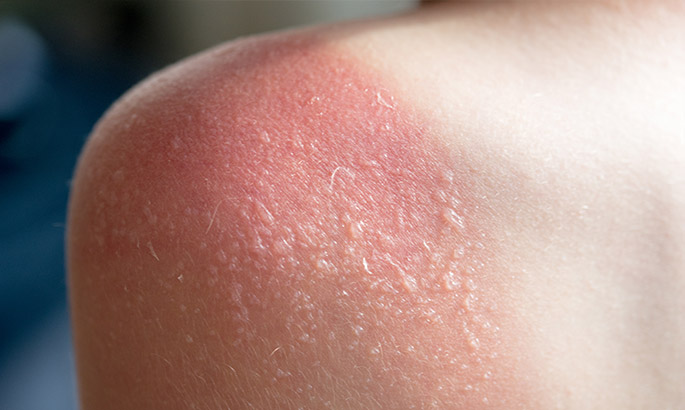
Another short-term effect of radiation therapy that may occur is nausea and/or vomiting. Nausea is predominantly just a sensation where you feel your stomach unwell, as if you are about to get well. While vomiting may also manifest as dry heaves. This is because the stomach is empty and you still have the urge to vomit. In addition, radiation therapy can cause skin changes in the treated area such as: redness, itching, dry skin, ulcers and blisters. In this case, it is advisable to use Oncos Protective Dry Oil, which has asoothing and calming action.

Radiotherapy long-term side effects

Radioterapia effetti collaterali - Oncos

Radiotherapy long-term side effects. These can occur even years after completion, can vary in nature, and are often limited to the treated area.

Long-term effects of radiotherapy include:

  • Lymphedema
  • Infertility
  • Oral cavity disorders
  • Skin sensitivity
  • Occurrence of a second tumor

Lymphedema

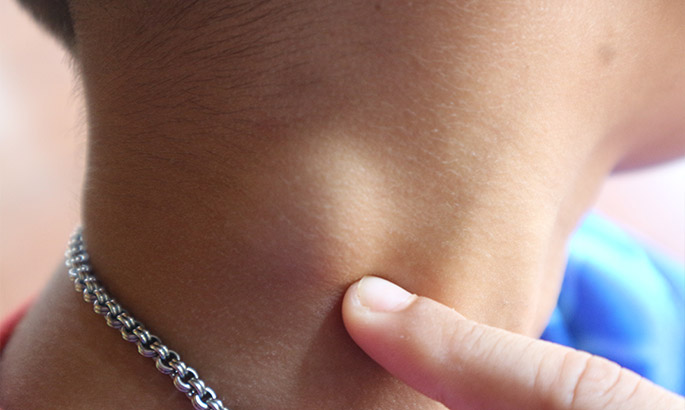
One of the long-term effects of radiation therapy is lymphedema. Lymphedema is a buildup of fluid in the subcutaneous tissues, and the arms and legs are the most affected areas. This long-term effect of radiotherapy occurs especially in those individuals who have undergone surgery for removal of axillary or breast lumps. In some cases it resolves spontaneously, but in most cases it turns into a chronic problem. Lymphedema can be prevented through a rehabilitation course.

Infertility

Another of the long-term effects of radiation therapy is infertility. Especially if the radiation therapy occurred in the pelvic area or on the reproductive organs. However, there are several ways to preserve fertility before starting treatments. For men, sperm can be banked and frozen for future use. In women, oocytes or ovarian tissue may be frozen.

Oral cavity disorders

Long-term effects of radiation therapy include oral cavity disorders and those related to swallowing, teeth and gums. The salivary glands, tongue, gums, and teeth are very sensitive to radiation from radiotherapy. To prevent this long-term side effect, it is essential to have proper oral hygiene. Rinse your mouth several times a day with a specific mouthwash such as Xerogel Mouthwash. Avoid smoking and alcoholic beverages completely.

Skin sensitivity

Radiotherapy long-term side effects: we then find skin sensitivity, which especially affects those who have undergone radiotherapy on the skin. In fact, over time, skin loses its natural elasticity and tends to become dehydrated. Avoiding sun exposure will be essential, along with the use of emollient and moisturizing creams such as Protective Dry Oil or Emollient Body Cream.

The occurrence of a second tumor

The last of the long-term effects of radiation therapy is the emergence of a new tumor. Radiation, in fact, is one of the possible causes of tumors; the appearance of a new tumor can occur up to 30 years after the first treatment. Completely changing one’s lifestyle is essential: smoking, alcohol and uncontrolled sun exposure are completely to be avoided; leading a healthy life, eating well, exercising and getting regular checkups can reduce the onset of a new disease.

Chemotherapy side effects: what they are and how to deal with them

Effetti collaterali chemioterapia

Chemotherapy effectively treats many types of cancer but, just like other treatments, often causes side effects. The side effects of chemotherapy, as well as those of radiation and hormone treatments, differ from person to person and depend on the type of cancer, the location, the drugs used, the dose taken, and the person’s overall health. Chemotherapy acts on active cells, that is, cells that grow and divide into more cells of the same type. Cancer cells are active, but so are some healthy cells, which include, for example, cells in the blood, mouth, digestive system, and hair follicles. So, chemo causes side effects precisely because it goes to damage these healthy cells.

Specifically, the most common effects of chemotherapy are as follows:

  • Fatigue;
  • Hair loss;
  • Easy bruising and bleeding;
  • Infections;
  • Anemia (low red blood cell count);
  • Nausea and vomiting;
  • Constipation;
  • Diarrhea;
  • Changes in appetite;
  • Peripheral neuropathy or other problems such as numbness, tingling, or pain;
  • Weight changes;
  • Changes in libido and other sex-related problems;
  • Skin and nail problems;
  • Mouth and throat sores.

Of course, no person experiences all the side effects of chemotherapy at the same time, and some even experience-if any-very few. There are also some side effects that chemotherapy can cause in the long run, such as heart or nerve damage or fertility problems, but not many people experience these.


How long chemo side effects last: some useful information.

Although the side effects of chemotherapy may be unpleasant, a cost-benefit assessment must be made, that is, they must be considered for their ability to kill cancer cells.

As for the duration of side effects , many of them disappear fairly quickly once treatment is over because cells no longer exposed to the chemotherapy drug resume normal division. This is the case, for example, with alopecia, or hair loss. However, some–called late effects–can take months or even years to disappear completely.

As we have already stated, chemotherapy causes long-term side effects, which may occur over the lifetime of those undergoing treatment. These are side effects that can cause problems with the heart, lungs, kidneys, or reproductive organs, and in some of these cases the damage done can be permanent.

Nonetheless, it should be considered that many of the negative effects of chemotherapy on the body can be effectively managed by simple measures. Essential, for this reason, is to talk clearly with one’s cancer care team, who may change the medicine or treatment schedule and may also suggest ways for the patient to reduce the pain or discomfort he or she experiences from the side effects of chemotherapy.

Radiotherapy: side effects. A brief overview of the most common ones.

Radioterapia: effetti collaterali - Oncos

Radiation therapy effectively treats many types of cancer but, just as with other cancer treatments, it often causes side effects. The side effects of radiation therapy, as well as those of hormone therapies and treatments, vary from person to person. This is because they depend on the type of cancer, its location, the dose of radiation therapy, the patient’s general health, and other factors. It is important to talk to your care team about any side effects that may occur. This is to put the team in a position to be able to find the most appropriate way to help the patient tolerate them.

But why does this type of therapy cause side effects? High doses of radiation therapy are used to destroy cancer cells. Side effects of radiation therapy come from damage to healthy cells and tissues near the treatment area.(Find out how ONCOS takes action to prevent skin side effects).

In recent years, major advances have been made in radiation therapy research that have made it more precise. This has resulted in fewer side effects from radiation therapy, compared with therapy techniques used in the past.


Radiation therapy aimed at treating cancer causes some side effects, among them:

  • Changes in the skin, such as dryness, itching, blistering or peeling; Discover the ONCOS catalog for skin problems.
  • Fatigue, described as a feeling of tiredness or exhaustion;
  • In the case of radiotherapy aimed at the head or neck, dry mouth, gum sores, difficulty swallowing, jaw stiffness, nausea, hair loss, a type of swelling caused by lymphedema, and tooth decay may occur;
  • In the case of chest-targeted therapy, difficulty swallowing, shortness of breath, breast or nipple pain, shoulder stiffness, and radiation fibrosis may occur;
  • In case of radiation therapy targeted to the abdomen, loss of appetite, nausea and vomiting, intestinal cramps, soft stools or diarrhea may occur;
  • In the case of radiation therapy targeted to the pelvis, soft stools or diarrhea, rectal bleeding, incontinence, bladder irritation, erectile dysfunction in men, and amenorrhea, or absence of menstruation, in women, who may also experience menopausal symptoms such as vaginal itching, dryness, and burning may occur.


How long side effects last: some useful information.

Side effects of radiation therapy often begin during the second or third week of treatment. Some may last for several weeks after the final treatment. The health care team is able to help prevent and, even better, alleviate many side effects. Prevention and treatment of radiation therapy side effects is a very important part of treatment. They are what is called palliative care or supportive care.

In some, limited cases, long-term side effects may occur due to radiotherapy. For example, in very rare circumstances, a new cancer (second primary cancer) other than the first one treated with radiation may develop years later.

It is always critical to talk to your medical team about what you can and should expect from treatment. Above all, regularly inform the health care team about how you feel during and after the treatment itself.

“Generic” dermatitis and oncological dermatitis: what are the differences

Dermatite “generica” e dermatite oncologica - Oncos


The generic term dermatitis refers to several conditions that cause erythematous-itchy eruptions. Eczema is a synonym but is often used to refer to atopic dermatitis. Skin infections, such as fungal infections, are not classified as dermatitis.
Some types affect only specific areas of the body such as:

  • contact dermatitis nummular dermatitis, stasis dermatitis or dyshidrosis.

Others, however, can occur anywhere such as atopic dermatitis or exfoliative dermatitis.

Some types of dermatitis have a known cause (such as allergic contact dermatitis), while for others the cause is unknown (such as nummular dermatitis).

Instead, the expression cancer dermatitis ( or chemotherapy dermatitis or chemo dermatitis) refers more specifically to one of the unpleasant skin side effects that affect cancer patients undergoing chemotherapy.

New chemotherapeutic agents and new protocols in oncology have led to increased survival rates in cancer patients. However, this increase in use has been accompanied by an increase in the incidence of skin side effects and a worsening of patients’ quality of life. Therefore, appropriate management of skin toxicity associated with chemotherapeutic agents is necessary for appropriate drug delivery and to improve quality of life and clinical outcomes.


Dermatitis: remedies for general one and natural remedies for dermatitis from drugs and chemotherapy treatments.

Cancer therapies have become more selective and have low systemic toxicity. This is because of their high specificity. Skin side effects are still common and can worsen patients’ quality of life. Even, they can, over time, cause a desire to discontinue antineoplastic therapy.

There are, however, whether chemotherapy dermatitis or the common types of generic one, some remedies that can provide relief to the skin during cancer therapies. Particularly to keep the skin soft and reduce the discomfort caused by cancer, it is advisable:

  • Use products without alcohol or fragrance, which are less aggressive to the skin
  • Wash the skin to remove makeup, impurities and dead skin with products formulated with neutral pH
  • Prefer quick, lukewarm showers to hot baths that may rekindle itching.
  • Gently dry the skin by blotting with a towel without rubbing
  • Moisturize the skin regularly, even 2 or 3 times a day, with soothing and anti-inflammatory moisturizers
  • Moisturize the lips by applying cocoa butter
  • Wear clothes that do not tighten, avoiding synthetic fibers and wool that may cause irritation, preferring cotton.
  • Drink plenty of water to keep the body hydrated

Cancer immunotherapy: what it is and how to counteract side effects

Immunoterapia oncologica

Cancer immunotherapy is a type of cancer treatment that helps a person’s immune system fight cancer. The immune system helps the body fight infections and other diseases. It consists of white blood cells, organs and tissues of the lymphatic system.

In other words, then,cancer immunotherapy is a type of biological therapy, that is, a therapy that uses substances produced by living organisms to treat cancer.

As part of its normal function, the immune system detects and destroys abnormal cells and most likely prevents or curbs the growth of many cancers. For example, immune cells are sometimes found in and around tumors. These cells, called tumor infiltrating lymphocytes or TILs, are a sign that the immune system is responding to the tumor.


There are different types of immuno oncology therapies. In particular, immune therapy can be:

  • Administered intravenously: immunotherapy drugs go directly into the vein;
  • Oral: Cancer immunotherapy drugs are available in pill or capsule form for ingestion;
  • For very early skin cancers, immunotherapy drugs are available that come in the form of ointments that are massaged directly into the skin.

The physician may recommendimmune oncology therapy as the only treatment. Or it may decide to administer it after or at the same time as another treatment, such as chemotherapy, radiation therapy, or surgery.


Immunotherapy side effects: the most common.

Some types of immuno cancer therapies attack the cancer or slow its spread to other parts of the body. Others make it easier for the immune system to destroy cancer cells. However,cancer immunotherapy sometimes leads the immune system to attack healthy cells, which can cause side effects.

Many side effects of immunotherapy depend on the type of treatment, the site of the cancer, and a person’s overall health.

The side effects of immunotherapy can be mild, moderate or even life-threatening. Depending on their severity, the doctor may discontinue treatment or prescribe a type of medication called a corticosteroid. If side effects worsen or do not improve, the physician may discontinuecancer immunotherapy.

The most common side effects of immunotherapy include skin reactions–such as skin redness, blistering, and dryness–flu symptoms–such as fatigue, fever, chills, weakness, nausea, vomiting, and muscle aches–dyspnea (shortness of breath), weight gain caused by water retention, hormonal changes including hypothyroidism, and leg swelling (edema).

Many side effects of immunotherapy disappear at the end of treatment, but some may last beyond the treatment period. Other effects may appear months or years later. The health care team is able to help a person manage long-term side effects. To soothe and diminish skin inflammation caused by the side effects of immunotherapy, it is advisable to keep the skin soft and moisturized, using ointments and creams that are ph-neutral and do not contain substances that are aggressive to the skin.

Hematologic cancers: a brief and simple definition of what they are

Tumori ematologici - Oncos

Hematologic tumors, also called hematologic neoplasia or blood cancer, are cancers that affect cells in the bone marrow, lymphatic system, or immune system. Basically, a hematological problem originates from the proliferation and survival of the two main blood cell lines: myeloid and lymphoid cell lines.

Hematologic oncology is that branch of medicine that deals, precisely, with blood cancers. That is, of those cancers that affect the production and function of blood cells and is a medical discipline older than cancerology.

Most of these tumors start in the bone marrow where blood is produced. Stem cells in the bone marrow mature and develop into three types of blood cells:

  • red blood cells
  • white blood cells
  • Platelets.

In most hematological cancers, the normal process of blood cell development is disrupted by the uncontrolled growth of an abnormal type of blood cells. These abnormal blood cells, or cancer cells, prevent the blood from performing many of its functions, such as fighting infection or preventing severe bleeding.


Hematological cancers: the three main types of blood cancers.

Hematological canc ers now account for about 5% of all cancers, and there are three main types. Specifically, they are:

  • Leukemia, which is a type of cancer found in the blood and bone marrow. Caused by rapid production of abnormal white blood cells. The high number of abnormal white blood cells is unable to fight infection and impairs the ability of the bone marrow to produce red blood cells and platelets;
  • Lymphoma, which is a type of hematologic cancer. It affects the lymphatic system, which removes excess fluid from the body and produces immune cells. Lymphocytes are a type of white blood cell that fights infection. Abnormal lymphocytes become lymphoma cells, which multiply and collect in lymph nodes and other tissues. Over time, these cancer cells damage the immune system;
  • Myeloma, which is a cancer of plasma cells. White blood cells that produce antibodies that fight disease and infection in the body. Myeloma cells prevent normal antibody production, leaving the body’s immune system weakened and susceptible to infection.

The progress in the case of a hematological problem recorded in recent years has been the most marked. This is due to the fact that hematologic tum ors are “liquid tumors.” That is, tumors whose cells circulate in a liquid: blood or lymph. Therefore, these tumors are easily accessible to perform various molecular biology tests. Such as blood sampling or lymph node samples. Above all, they are particularly sensitive to chemotherapy and radiotherapy.