The Importance of Sun Protection During and After Chemotherapy

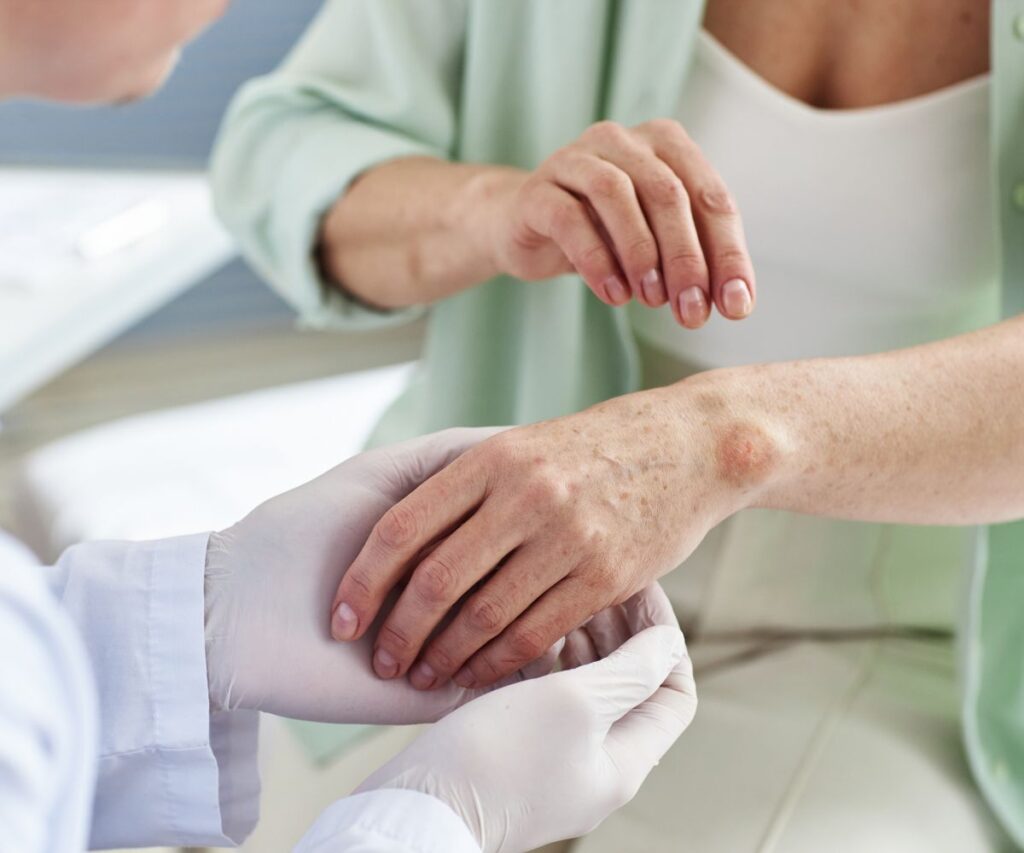
During the course of chemotherapy, the skin can become particularly vulnerable. It is essential to pay attention to sunscreen to prevent damage and irritation, not only during treatment, but also during the recovery period.

1. Skin and Chemotherapy

Chemotherapy can cause significant side effects on the skin, including:

  • Dryness: Skin may lose moisture and become rough.
  • Increased sensitivity: Therapies can make the skin more prone to sunburn and irritation.
  • Risk of sunburn: Treatments can increase UV sensitivity, making sunscreen even more crucial.

2. Why Sun Protection is Essential

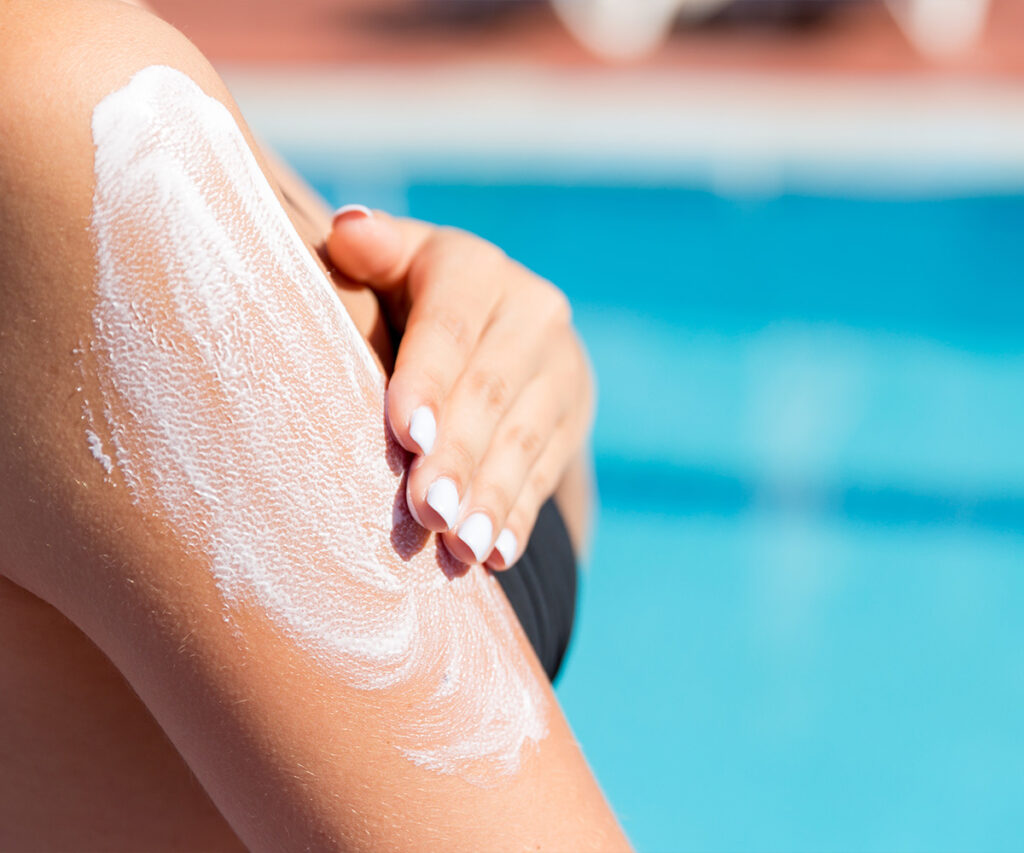
  • Sunburn Prevention.: The use of a broad-spectrum sunscreen helps protect the skin from damage caused by UVA and UVB rays.
  • Reducing the Risk of Skin Cancer.: Sun protection reduces the risk of developing forms of skin cancer, which is especially important for those who have already faced a cancerous disease.
  • Maintaining Skin Health: Using sunscreen products helps maintain skin elasticity and health, minimizing signs of premature aging.

3. How to Choose Sunscreen

When choosing a sunscreen, consider:

  • Sun Protection Factor (SPF).: Opt for an SPF of 30 or higher.
  • Water Resistance.: Choose a water-resistant product, especially if you plan to sweat or swim.
  • Gentle ingredients: Prefer formulas without fragrances and additives that irritate sensitive skin.

4. Application and Reapplication

  • Generous Application: Apply an appropriate amount of sunscreen to all exposed areas of the skin at least 30 minutes before going outside.
  • Reapplication: Reapply every two hours, or more frequently if you are in water or sweating.

5. Sun Protection After Chemotherapy

Even after completing chemotherapy, the skin remains vulnerable. Continuing to use sunscreen daily is critical to:

  • Supporting Healing: Help the skin recover and protect any treated or damaged areas.
  • Prevent Future Damage.: Continue the sunscreen routine to reduce the risk of long-term complications.

Conclusion

Sun protection is an essential element for those going through chemotherapy and the recovery period. Adopting a sunscreen routine can make a big difference in your skin health and overall well-being. Be sure to always consult your doctor or dermatologist for personalized advice.
How to Cope with Skin Change During Therapies

Cancer therapies, such as chemotherapy and radiation therapy, can have significant effects on the skin. During this time, it is critical to adopt effective strategies to keep the skin healthy and reduce discomfort.

1. Understanding Skin Changes

The most common changes include:

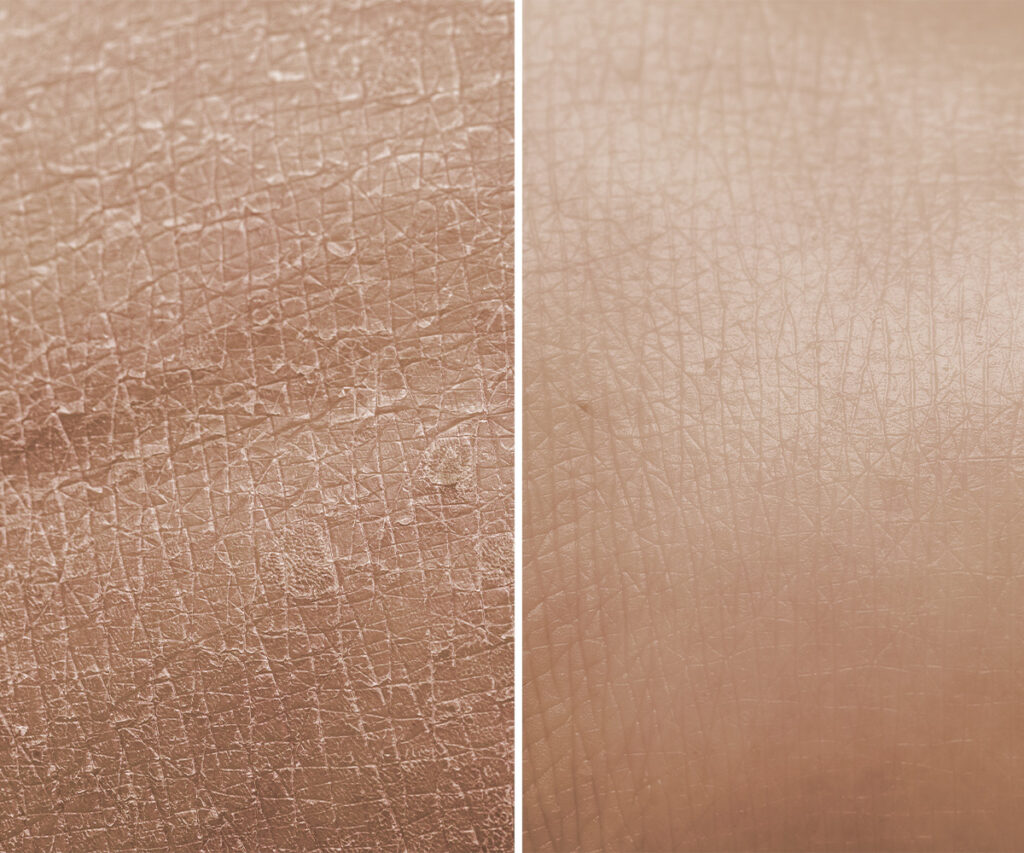
  • Dryness: Skin can become very dry due to treatments.
  • Irritation and redness: Skin reactions may occur as dermatitis or rash.
  • Desquamation: Desquamation of the skin may occur, especially in treated areas.

2. Skin Care Routines

  • Hydration: Using moisturizers specifically for sensitive skin can help maintain skin elasticity. Products with ingredients such as shea butter and aloe vera are especially effective.
  • Gentle Cleansing: Choose gentle, fragrance-free cleansers to avoid further irritation.
  • Sun Protection: Skin is most vulnerable to sun damage during treatments. Applying broad-spectrum sunscreen is essential.

3. Nutrition and Hydration

A balanced diet and adequate fluid intake can contribute to skin health. Antioxidant-rich foods, such as fruits and vegetables, promote cell regeneration.

4. Consult a Professional

It is advisable to work with a dermatologist or oncologist to develop a personalized treatment plan. They can recommend specific products and strategies to address symptoms.

5. Emotional Support

Coping with skin changes can affect self-esteem and emotional well-being. Talking about it with a professional or participating in support groups can be very helpful.

Conclusion

Coping with skin changes during cancer therapies requires attention and care. Adopting a proper skin care routine, maintaining good nutrition, and seeking support can make a big difference in overall well-being.

The Role of Nutrition in Skin Care during Oncology Therapies

During cancer therapies, patients’ skin may experience various side effects, such as dryness, irritation, and flaking. One aspect often overlooked in patient support is the importance of nutrition in maintaining skin health.

Essential Nutrients for Skin

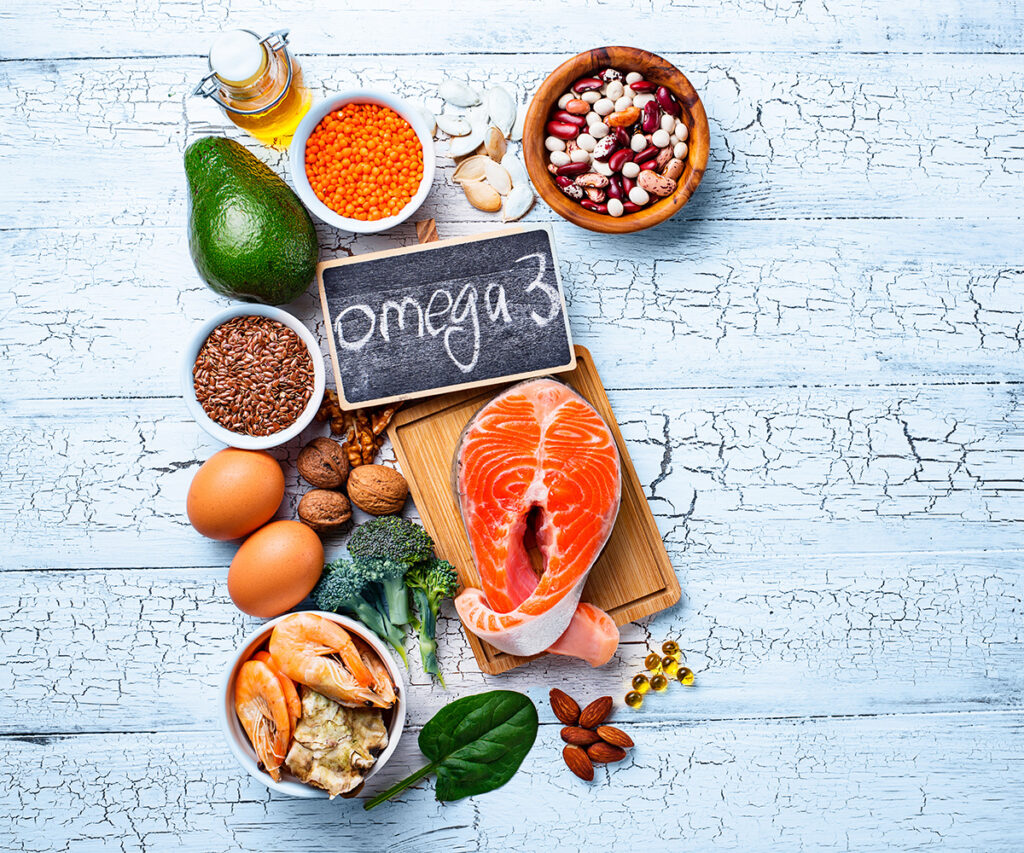
  1. Omega-3 Fatty Acids: These nutrients help maintain skin barrier integrity and reduce inflammation. Dietary sources include fatty fish, walnuts and flaxseed.

  2. Vitamins:

    • Vitamin E Is a powerful antioxidant that protects the skin from damage. It is found in almonds, seeds and green leafy vegetables.
    • Vitamin C stimulates collagen production and promotes skin regeneration. Citrus fruits, kiwifruit and peppers are good sources.
  3. Zinc: Essential for wound healing and skin health. Zinc-rich foods include meat, legumes and pumpkin seeds.

Importance of Hydration

Hydration is crucial during cancer therapies. Drinking enough water helps keep the skin hydrated and prevent dryness. Infusions and herbal teas can be good alternatives to increase fluid intake.

Foods to Avoid

During treatment, it is advisable to limit consumption of refined sugars and highly processed foods, which can increase inflammation and compromise skin health.

Practical Tips

  • Meal Planning.: Regularly incorporate nutrient-rich foods into the daily diet.
  • Consultation with a Nutritionist: A professional can provide personalized guidance to manage symptoms and improve overall well-being.

Conclusion

A balanced, nutrient-rich diet not only supports overall health, but also plays a crucial role in skin care during cancer therapies. Investing in nutrition can help improve patients’ quality of life and promote healthier, more resilient skin.

Chemotherapy Cream for Basalioma: A Guide for Pharmacists and Patients

Basalioma is a common form of skin cancer that may require specific treatments, including the use of topical chemotherapy creams. If you are a basalioma patient or a pharmacist who assists patients during this course, it is important to understand what chemotherapy creams are available and how to choose the most appropriate one. Here is a helpful guide:

1. What is basalioma and how it is treated:

Basalioma is a skin tumor that develops from cells in the outermost part of the skin. Treatment can vary depending on the size and location of the tumor. Treatment options include surgery, topical drug therapies such as chemotherapy creams, or radiation therapy.

2. Types of chemotherapy creams for basalioma:

Chemotherapy creams used in the treatment of basalioma include 5-fluorouracil (5-FU) and imiquimod. 5-FU is an antimetabolic drug that interferes with cancer cell growth, while imiquimod stimulates the immune system to fight the tumor. Both are applied directly to the affected skin.

3. How to choose the best chemotherapy cream:

The choice of cream depends on several factors, including the size and location of the tumor, the patient’s individual response, and personal preference. The pharmacist and the treating physician can recommend the most suitable cream based on the patient’s specific needs.

4. How to apply and manage the cream:

It is important to carefully follow your doctor’s and pharmacist’s instructions on the application and management of chemotherapy cream. These creams may cause skin side effects such as redness, irritation, or peeling, which are generally temporary and manageable.

5. Support and follow-up:

Treatment with chemotherapy creams requires regular monitoring by your doctor to assess response and manage side effects. Be sure to communicate openly with your medical team about any concerns or symptoms during treatment.
Please do not hesitate to contact us for more information about basalioma-specific products and dermatology treatment management. We are here to support you at every stage of your treatment journey.