Chemotherapy Cream for Basalioma: A Guide for Pharmacists and Patients

Basalioma is a common form of skin cancer that may require specific treatments, including the use of topical chemotherapy creams. If you are a basalioma patient or a pharmacist who assists patients during this course, it is important to understand what chemotherapy creams are available and how to choose the most appropriate one. Here is a helpful guide:

1. What is basalioma and how it is treated:

Basalioma is a skin tumor that develops from cells in the outermost part of the skin. Treatment can vary depending on the size and location of the tumor. Treatment options include surgery, topical drug therapies such as chemotherapy creams, or radiation therapy.

2. Types of chemotherapy creams for basalioma:

Chemotherapy creams used in the treatment of basalioma include 5-fluorouracil (5-FU) and imiquimod. 5-FU is an antimetabolic drug that interferes with cancer cell growth, while imiquimod stimulates the immune system to fight the tumor. Both are applied directly to the affected skin.

3. How to choose the best chemotherapy cream:

The choice of cream depends on several factors, including the size and location of the tumor, the patient’s individual response, and personal preference. The pharmacist and the treating physician can recommend the most suitable cream based on the patient’s specific needs.

4. How to apply and manage the cream:

It is important to carefully follow your doctor’s and pharmacist’s instructions on the application and management of chemotherapy cream. These creams may cause skin side effects such as redness, irritation, or peeling, which are generally temporary and manageable.

5. Support and follow-up:

Treatment with chemotherapy creams requires regular monitoring by your doctor to assess response and manage side effects. Be sure to communicate openly with your medical team about any concerns or symptoms during treatment.
Please do not hesitate to contact us for more information about basalioma-specific products and dermatology treatment management. We are here to support you at every stage of your treatment journey.

When hair grows back after chemotherapy: what to expect during the healing process

Quando ricrescono i capelli dopo la chemioterapia

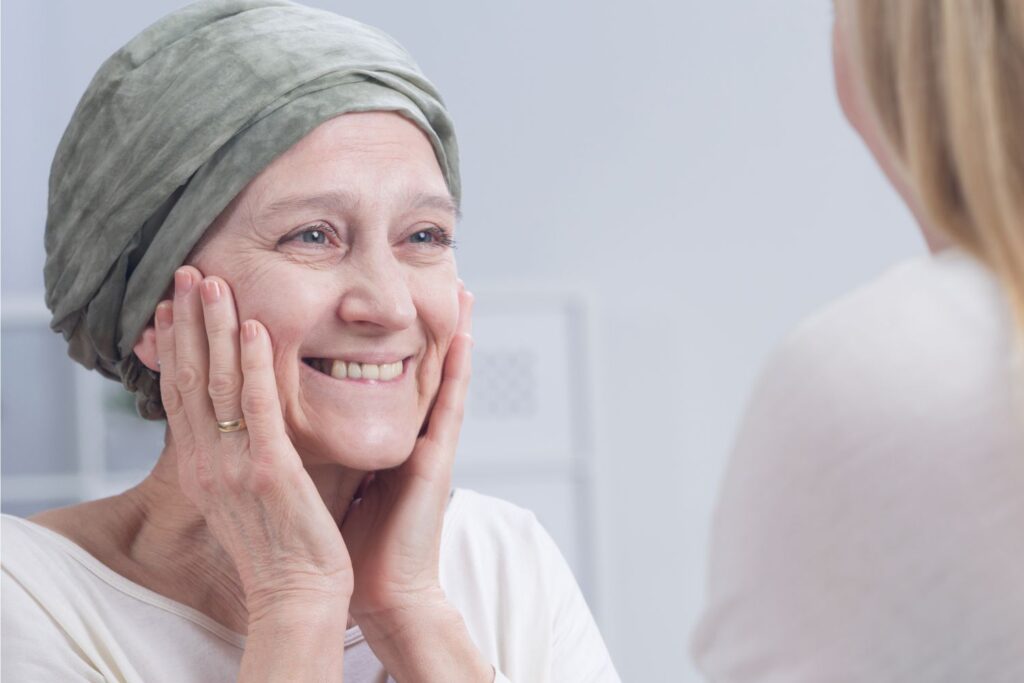
One of the most anticipated moments after completing chemotherapy is the return of hair growth. This sign of rebirth is often a symbol of hope and healing. However, the process of hair regrowth can vary from person to person. Here is what you should expect during this phase:

Individual timing:

The speed at which hair grows back can vary greatly from person to person. Some patients notice the first signs of regrowth as early as a few weeks after the end of chemotherapy, while for others this may take several months. Be patient and trust that your hair will come back.

Different texture and colour:

Hair that grows back after chemotherapy may often have a different texture than before. It may be softer, curly or even a different colour. This is completely normal and should be welcomed as part of your healing journey.

Initial growth phase:

In the beginning, hair can grow very thin and delicate. This phase is known as ‘downy hair’ and can last several weeks or months. During this period, take care of your hair gently, avoiding aggressive treatments or chemicals. Oncos Protective Dry Oil has a gentle and natural formulation, and is ideal for itchy and scalp scalding hairless or downy hair.

Hair care advice:

Once your hair grows back enough to require regular care, use gentle, moisturising products to wash and care for your hair. Avoid excessive use of heat (such as hairdryers or straighteners) and aggressive treatments until your hair is fully regenerated. Oncos Gentle Shower Shampoo is designed to cleanse the skin gently. It performs a moisturising and restructuring action, being enriched with keratin and panthenol. The hair regrowth process can be emotionally intense. Talk to your medical team or an oncology specialist for psychological support during this transition phase.

Never forget that the return of your hair is a sign of strength and resilience. Celebrate every little progress and continue to nurture your inner and outer beauty as you go through this phase.

For more information on specific products for hair care during and after chemotherapy, please do not hesitate to contact our team or consult your pharmacist.

Products to help skin regeneration during chemotherapy: which ones to choose?

Prodotti per aiutare la rigenerazione la pelle durante la chemioterapia: quali scegliere?

During the course of chemotherapy, the health of the skin can be challenged. It is essential to use specific products to regenerate and protect your skin during this delicate period. Below you will find helpful tips on which products to choose to best care for your skin stressed by cancer therapies.


Guide to choosing products to *regenerate skin during chemotherapy


1. Rich and nourishing moisturizers:

.
Cancer therapies can cause dryness and dehydration of the skin. Opt for moisturizers rich in nourishing ingredients such as shea butter, coconut oil, or hyaluronic acid. These help restore hydration and keep skin soft and supple. Oncos Emollient Body Cream is formulated to moisturize, protect, soothe and improve the overall condition of the skin, also excellent for relaxing and revitalizing massages.


2. Soothing balms for lips and hands:

.
Lips and hands can become especially dry during chemotherapy. Choose soothing balms made with cocoa butter, almond oil or aloe vera to nourish and protect these sensitive areas. anbsp;

Oncos Hand, Foot and Nail Cream is great to use every day as a restructuring treatment. The formula absorbs quickly and gives hands prolonged hydration.


3. Calming scalp gels and creams:

If chemotherapy causes hair loss or scalp irritation, use specific gels or creams to soothe and moisturize scalp skin. Products with aloe vera or chamomile extracts can be especially effective.

Products with aloe vera or chamomile extracts can be particularly effective. Dry oil
protective Oncos
 is ideal for softening and soothing the skin and hydrates without being greasy. It has a soothing and calming action, intensely nourishes the skin and reduces skin flaking. It is also indicated for itching and burning of the scalp in the absence of hair or with fuzz.


4. Mild detergents without sulphates:

Avoid harsh cleansers that can further irritate sensitized skin. Opt for cleansers without sulphates and formulated with natural soothing ingredients such as the gentle facial cleanser for sensitive skin Oncos.


5. Suitable sunscreen:

Even if you are not directly exposed to the sun, it is important to protect your skin from the harmful effects of UV rays during chemotherapy. Use broad-spectrum sunscreen with high SPF to protect sensitized skin.

Remember to always consult your pharmacist or doctor before using new products during chemotherapy, especially if you are prone to skin reactions or have specific dermatological needs.

At Oncos, we understand the challenges patients face during chemotherapy and have developed a line of dermocosmetic products specially formulated to provide relief and regenerate the skin during this time. We are here to support you in caring for your delicate skin with safe and effective solutions.

For more information about our products and personalized recommendations, please feel free to contact us or visit your local pharmacy.

Oncology cosmetics which ones to recommend

Cosmetici oncologici quali consigliare 

In the world of dermocosmetics, the most important question we ask is: What oncology cosmetics can we recommend to patients who are going through treatment? This is a crucial aspect. Indeed, cancer treatments can have a significant impact on the skin and well-being of our patients.

When we are dealing with patients who are battling cancer, it is essential to recommend dermocosmetic products specifically designed to meet the needs of sensitive, reactive, and sensitized skin.


Which oncology cosmetics to recommend, what to watch out for

1. Intense and soothing hydration:

Cancer treatments can often cause dryness and dehydration of the skin. Recommend moisturizing products that contain soothing and calming ingredients such as aloe vera, hyaluronic acid, or coconut oil. These help restore hydration and reduce irritation. Oncos Emollient Body Cream with its gentle formulation and ingredients nourishes, soothes and moisturizes the skin. It combats the itchy feeling while ensuring respect for the skin’s natural hydrolipid mantle (NMF).

2. Safe sun protection:

The skin of cancer patients may become more sensitive to the sun due to treatments. He recommends broad-spectrum sunscreens with high sun protection factor (SPF 30 or higher) that are gentle on the skin and do not clog pores.

3. Gentle cleansing:

Suggest cleansers without soap or harsh chemicals that may further irritate sensitized skin. Products with colloidal oat or chamomile extracts are great for gently cleansing without compromising the skin barrier. Oncos Gentle Cleanser is designed for sensitive skin stressed by cancer therapies. It gently cleanses and also contains the natural active ingredient derived from Sichuan pepper, which combats itchiness and is a powerful soothing and calming agent.

4. Calming scalp treatments:

Many cancer therapies can cause scalp irritation and dryness. He recommends specific shampoos and treatments for sensitive scalp, formulated with soothing ingredients. The Oncos line has formulated two products, gentle shower shampoo and protective dry oil.

The shower shampoo is designed to cleanse the skin gently, respecting the skin’s natural pH and the balance of the skin’s hydrolipid mantle. The shampoo is enriched with keratin and panthenol and has a moisturizing and restructuring action.

Protective dry oil is a versatile product and an ally for those going through cancer therapies. This product has a light and gentle texture and is optimal for soothing and softening the skin without making it greasy. Enriched with a natural active ingredient from Sichuan pepper, it offers effective soothing and calming action. It also deeply nourishes the skin and reduces uncomfortable skin flaking. It is also particularly good for relieving itchy and scalp burns, both in the presence of hair and hairiness.

5. Safe and natural make-up:

For patients who wish to use make-up during treatment, suggest make-up products that are natural and free of potentially irritating ingredients such as perfumes and artificial dyes. Look for brands that offer foundations and concealers suitable for sensitive skin. Oncos’ BB Cream is suitable for all skin types and skin tones. The BB Cream product is a soft emulsion that not only performs the typical tasks of a day cream but also makes the skin more even and radiant by camouflaging blemishes and imperfections. The BB Cream is enriched with a reconstructed moisturizing factor (NMF) aimed at promoting respect for the natural hydrolipid mantle. This thanks to Vitamin E and Jojoba oil has an important emollient, moisturizing, restorative and protective action on the skin.

Always remember to encourage patients to consult their oncologist or dermatologist before starting any new skin care regimen during cancer therapies. In addition to recommending the right products, it is critical to offer emotional support and practical information to help patients manage the changes in their skin during this sensitive period.

Together, we can make a difference in improving the quality of life of cancer patients through judicious recommendations of oncology cosmetics suited to their specific needs. It is critical to remain a reliable point of reference for patients.

Are you interested in the topic and want more information? Learn about Oncos products.

Pain after radiotherapy: causes and remedies

Dolore dopo radioterapia

Radiotherapy is a common treatment used to fight cancer. Although it is an effective treatment option, it can cause some side effects, including pain after radiotherapy. This pain can be bothersome and affect patients’ quality of life. Here are the causes of pain after radiotherapy and some remedies that can help relieve it.

Remedies for managing post-therapy pain

Post-radiotherapy pain can occur in different forms and intensities. This depends on the area of the body being treated and the doses of radiation administered. Common causes of pain include inflammation of surrounding tissues, nerve injury and scar formation.

To manage pain after radiotherapy, it is important to take a number of measures. First of all, it is advisable to consult the doctor who performed the radiotherapy to assess the intensity of the pain and identify any complications. Your doctor may prescribe specific pain-relieving drugs or recommend the use of topical creams or gels to relieve inflammation and reduce pain. Remember to always consult your doctor or pharmacist before proceeding with any medication or starting any treatment.

Pain after radiotherapy: Oncos products

Oncos products can offer effective support, especially when it comes to inflammation. The products in the Oncos line are formulated for skin care specifically for people dealing with the side effects of radiotherapy. These products contain soothing and moisturising ingredients that can help relieve pain and improve skin healing.

Natural Remedies

Besides the use of specific products, other strategies to alleviate pain after radiotherapy include applyingcold compresses to the treated area to reduce inflammation, adopting relaxation techniques such as meditation and deep breathing, and engaging in activities that distract from the pain, such as listening to music or reading a book.

It is important to remember that pain after radiotherapy can vary from person to person, so it is crucial to communicate with the doctor to identify the best pain management approach according to individual needs.

Pain after radiotherapy is a common side effect that can affect patients’ quality of life. It is important to identify the causes of pain and take a targeted approach to relieve it. Always consult your doctor for appropriate pain management and follow the instructions given by your healthcare professional.

Desquamation face remedies and tips

Desquamazione al viso - Oncos

Facial flaking can be bothersome and embarrassing; it is caused by several factors, not just treatments. For example, from the use of unsuitable cosmetic products, dry climate, pollution and even stress. However, there are many remedies and tips that can help prevent and treat facial peeling.

The most effective remedy for facial peeling is definitely to use high-quality skin care products, such as those from the Oncos product line. This product line was developed with a unique formula that helps restore the skin’s natural balance and prevent flaking.

Discover remedies for facial flaking:

#1

The first remedy we recommend for facial peeling is to use a good face cream. Like Oncos moisturizer, it is an excellent product for keeping the skin hydrated and nourished. This cream contains natural ingredients such as jojoba oil and vitamin E, which help moisturize and protect against the aggression of external agents. In addition, this cream is suitable for all skin types, even the most sensitive ones.

#2

Another remedy to prevent and counteract flaking is to avoid the use of harsh products. Avoid cleansers and lotions containing alcohol and perfumes. These products can irritate the skin and cause flaking. Instead, it is advisable to use gentle and fragrance-free products.

#3

Finally, one last piece of advice we feel like giving regarding treatment and prevention to counteract this skin problem is to follow a balanced diet. Remember to drink plenty of water to keep the skin hydrated and healthy. A diet rich in vitamins and antioxidants can help prevent flaking and keep facial skin glowing and youthful.

Facial flaking can be a troublesome problem. However, there are many remedies and tips that can help prevent and treat it. Using high quality products, avoiding harsh products and following a balanced diet are some tips to help counteract it.

Chemotherapy effects on skin: tips and remedies

Effetti chemioterapia sulla pelle - Oncos

The effects of chemotherapy on the skin can be many, which is why skin care during cancer therapies becomes a necessity. Chemotherapy, as well as radiotherapy, can bring many skin manifestations such as xerosis, fibrosis, scaling, radiodermatitis, and in severe cases also burns, ulcerations, telangiectasias, changes in pigmentation, and alopecia.

What is certain and also very common is that one of the effects of chemotherapy on the skin is the fact that the skin becomes extremely sensitive and changes its needs drastically.


What are the effects of chemotherapy on the skin?

When one undergoes chemotherapy specifically, the skin is no longer as intact as before and therefore cannot perform its protective function from all the external agents that go to affect the skin’s well-being. This is because among the effects of chemotherapy on the skin we find the weakening of the hydrolipid barrier.

Skin dehydration is also not an effect to be underestimated, the most advanced state being xerosis, which is very common among patients undergoing cancer treatment. The skin becomes increasingly dry with the formation of splits that can then lead to many infections.

That is why, it is very important at this stage to give a lot of importance to your skin and take care of it as much as possible.


Tips and remedies against the effects of chemotherapy on the skin

To prevent the most common effects of chemotherapy on the skin, such as: itching, dryness, folliculitis, rash, and in severe cases even psoriasis and vitiligo, it is essential to keep the skin’s biochemical parameters in order by protecting its balance.

The first thing to do is definitely to consult your doctor or pharmacist to find out what is the correct course of action. It is essential to care for one’s skin throughout the chemotherapy period, preparing it before, during and after. This will also shorten the recovery time.

The second thing is to find the right line of oncology cosmetics that can be used throughout the course of treatment. The Oncos oncology cosmetic line is formulated with emollient and soothing ingredients, suitable for dermocosmetic intervention for delicate and sensitive skin with the aim of reducing symptoms such as dehydration and irritation, caused by cancer treatment, by restoring the stratum corneum of the skin.

The third very important third to do is to follow a proper balanced diet, accompanied and followed by a specialist.

Keratolysis exfoliativa: what it is and how to treat it

Cheratolisi esfoliativa - Oncos

Exfoliative keratolysis, also called dyshidrosis lamellosa sicca, recurrent focal palmar peeling, or recurrent palmar peeling, is a skin condition that presents as scaling of the epidermis and affects hands and feet most. It occurs mostly in adolescents and children, more rarely in adults. The causes are not yet well known, but this condition occurs mostly in people who often have sweaty hands and feet or suffer from hyperhidrosis.


What are the symptoms of exfoliative keratolysis and how to find out if you have this condition?

This condition is usually clearly visible on the skin. It begins with the presence of small blisters that, as they burst, leave circular scales on the skin, which appear red and obviously cracked. This condition is usually harmless as it does not present pain, itching or lesions and is confined to the hands and feet.
The only way to be certain that it is this condition is through allergy testing and clinical trials. This disease can often be confused with dyshidrosis itself, in its eczematous variant.


What are the triggers?

The infection that causes the manifestation of this condition can usually be attributed to a damp and closed environment. The tendency to sweat excessively or in wearing heavy, closed shoes are two of the most common causes of keratolysis.


What to do in case of keratolysis?

Unfortunately, there is no cure for this condition. What you can do is to have some precautions while you wait for the symptoms to disappear.

  • Do not use irritants such as detergents and soaps;
  • Always keep your hands and feet as clean and dry as possible;
  • Use specific creams to combat dryness such as our Hand and Foot Cream made with Shea butter and almond and rice oils;
  • Wear socks or cotton clothes that allow the skin to breathe while keeping it dry;

Chemo and sun even in autumn: can you sunbathe after and during cancer treatments?

Chemio e sole anche in autunno - Oncos

Chemo and sunshine, one of the most frequently asked questions when embarking on cancer treatment. Can you sunbathe during and after treatment?

The sun’s rays can be a pro but also a con for a cancer patient. Vitamin D (also called the sunshine vitamin) is very important, plus sunbathing helps maintain a high mood, but this is not enough for a patient who has just embarked on a course of cancer therapies. The most important thing is to find the right balance between chemotherapy and sunshine.

What happens when you sunbathe during chemotherapy?

One thing you go through and need to pay attention to when sunbathing during chemotherapy is photosensitization, this is an unfavorable reaction of the skin as a result of improper exposure to sunlight. It can manifest as redness and itching, but also in the form of skin spots. It can occur both in the hours following sun exposure and in the days to follow.

So, to the question “can you sunbathe during and after chemotherapy? The answer is yes, but it takes caution!

Chemo and sun, how to sunbathe during and after chemotherapy?

Always consult your doctor or pharmacist before exposing yourself to the sun and follow some small practical tips. The most important thing is to avoid the hottest hours, from about 11:00 am to 5:00 pm. Remember to use tools that can protect your skin and derive some benefits from the sun (such as Vitamin D).

Another very important thing to keep in mind when sunbathing during cancer treatments is to always keep specific areas undergoing chemotherapy covered. How? Using light-colored cotton or linen clothing.

Finally, don’t forget to use a moisturizer immediately after sun exposure so that your skin doesn’t dry out more than it should. We recommend our protective dry oil.

Skin rash: causes, symptoms and remedies

Rash cutanei - Oncos

Skin rashes consist of a change in skin color and appearance, often accompanied by irritation and swelling. In some cases they are red in color, itchy and painful, while in other cases they appear as bubbles. Skin rashes can be localized to a single area of the body or can be more extensive, covering entire areas.

But what causes them? What are the symptoms? More importantly, how to remedy it?

Skin rash: the causes

The causes that lead to the appearance of skin rash are indeed many, from the simplest to the most complex.

The most common and frequent cases include:

  • Insect bites;
  • Some types of allergies;
  • Taking particular medications;
  • Contact with irritants;
  • Stress.

However, they can also be caused by some diseases such as:

  • Rheumatoid arthritis;
  • Atopic dermatitis;
  • St. Anthony’s Fire;
  • Systemic lupus erythematosus;
  • Psoriasis.

Skin rash: the symptoms

The first symptom is visual, the epidermis changes color and some pustules or spots appear. Another typical symptom of this skin condition is itching and dryness of the area affected by the rash.

Sometimes, other symptoms such as fever, joint pain, sore throat may occur.

It is essential that, at the onset of any of these symptoms, you go to your doctor promptly to bring the rash to his or her attention.

Rashes in children

Skin rashes are very common during childhood and can often result from diaper rash or exanthematous diseases such as measles, chickenpox, rubella, scarlet fever, fifth disease, sixth disease, and hand-foot-mouth disease.

It is important, in each of these circumstances, to inform the pediatrician who can immediately prescribe the correct treatment, preventing the onset of further disease.

Skin rash remedies

The first remedy is to go to the doctor: only by understanding what the trigger was can he proceed to a correct diagnosis and then to the right treatment.

In any case, it is important to avoid scratching or rubbing the affected area, and to avoid applying cosmetics as much as possible.

Essential is to clean the area well with warm water, leave it exposed to air as much as possible, and apply specific super moisturizing creams, such as Emollient Body Cream.

In fact, this cream is specially formulated to moisturize, protect, soothe and improve the condition of the skin and, thanks to an active ingredient derived from Sichuan pepper, is capable of soothing and calming skin rash while combating itchiness.